
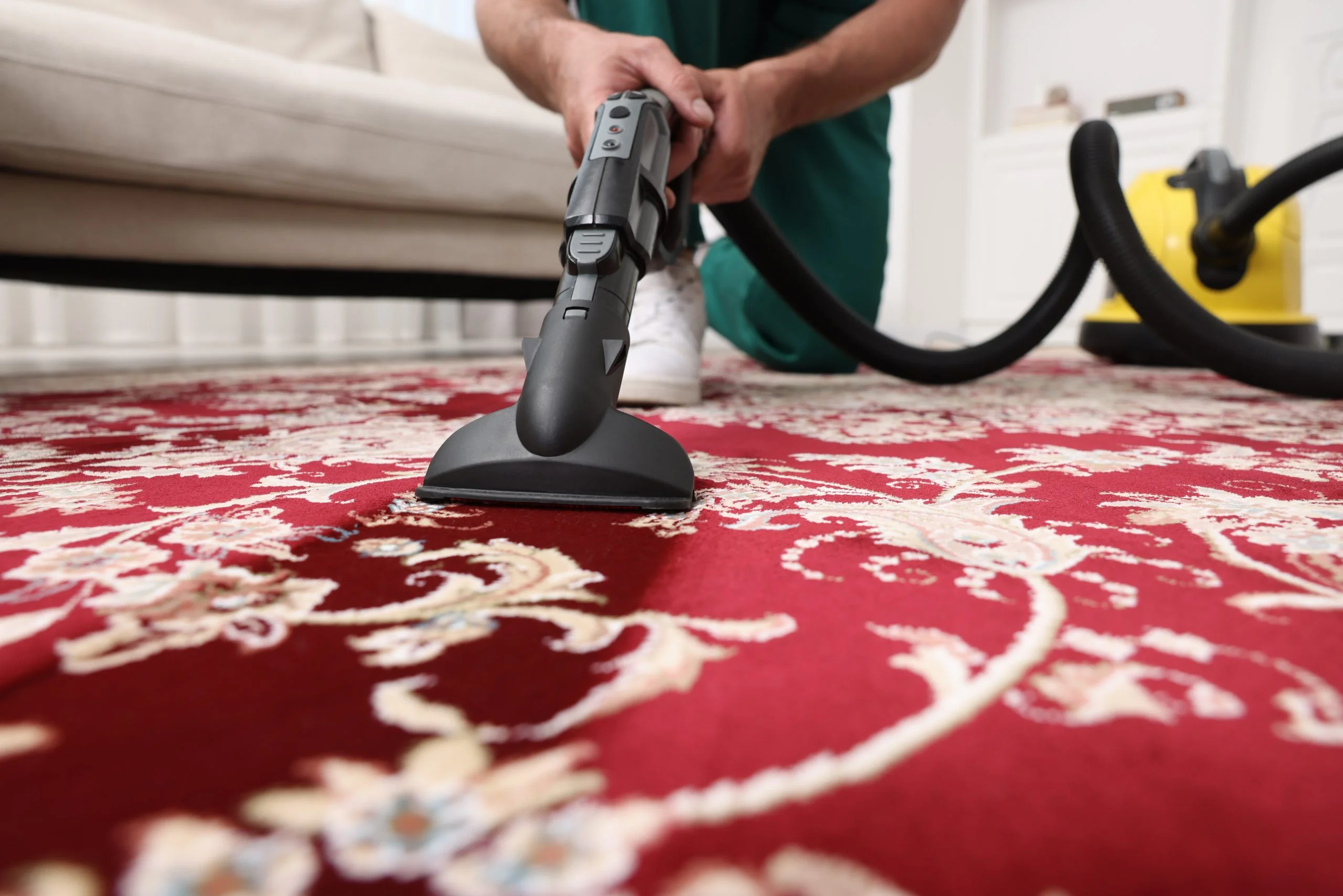
A treasured rug can warm a room while quietly holding onto everyday debris. Rug cleaning for allergies gives fine textiles the regular attention that protects both fibers and family comfort. For many Bay Area homeowners, maintenance gets delayed until a stain, odor, or faded patch demands attention.
Why Rug Cleaning For Allergies Belongs On Your Calendar
Rugs work hard in the background of daily life. They catch particles brought in on shoes, fur from pets, and pollen drifting through an open window. Those particles settle beneath the pile and stay there longer than most people expect.
A rug can look clean from across the room while carrying a hidden load. Foot traffic presses dust into the base, where abrasive grit rubs against delicate fibers. Every step can move some of that buildup back into your indoor air.
Rug cleaning for allergies gives that buildup less time to settle in. It helps remove material before the rug begins to look dull or feel heavy. Fine rugs deserve regular care because their fibers are often more delicate than standard floor coverings.
More than half of homes have at least six detectable indoor allergens. That number surprises people, yet it fits what we see in lived-in homes. A beautiful home can still hold dust in places nobody thinks to inspect.
The Dirt You Cannot See
Dust is not one simple thing. It can include tiny bits of soil, skin cells, pollen, and pet dander. Rugs can also hold mold spores and particle pollution brought indoors from outside.
For allergy-sensitive people, that buildup can make a room less comfortable over time. Sneezing, itchy eyes, and stuffy noses do not always come from an obvious source. Sometimes the rug beneath your feet has been holding allergens for months.
Rug cleaning for allergies focuses on what is trapped below the visible surface. Regular vacuuming helps, especially with a maintained HEPA-filter machine. Still, vacuuming alone cannot remove every particle packed into a dense wool or silk weave.
We have seen heirloom rugs that appeared spotless until deep cleaning exposed the soil inside. The colors looked brighter afterward, and the rug felt lighter underfoot. It is a little like opening windows after a long winter, only the fresh feeling comes from below.
Fine Rugs Need Steady Care
An Oriental rug is often more than décor. It may be handmade, passed down through family, or selected after months of searching. Its colors, pile, and fringe need care that respects the rug’s construction.
People often call us after a spill or an odor has already settled. By then, dirt has had time to work deeper into the fibers. A single emergency visit can help, but steady maintenance gives the rug a far better chance over time.
Rug cleaning for allergies also protects the investment behind fine materials. Deep soil acts like grit under a shoe, slowly wearing down fibers with repeated pressure. Once the pile has worn away, cleaning cannot rebuild its original texture.
Maintenance costs money, and that part is real. Yet replacing a high-end rug or paying for restoration costs far more. Routine service helps protect the piece you already love instead of forcing a stressful replacement decision later.
A Healthier Room Starts Below
Many people clean countertops, bedding, and visible surfaces on a regular schedule. Rugs are easier to forget because they do not complain. Still, they are among the largest fabric surfaces in a home.
Dust mites thrive where dust collects and conditions support them. Pet dander clings to fibers and travels through rooms as people walk by. Pollen can follow you inside after a pleasant Bay Area afternoon outdoors.
Rug cleaning for allergies helps interrupt that cycle. When trapped debris is removed, there is less material available to move through the room. This matters for households where allergies or asthma make indoor air feel personal.
A clean rug also affects how a home feels. The room smells fresher, the fibers look more alive, and guests notice the difference. Nobody says, “Wow, your rug is free of pollen,” but they do sense a well-kept space.
Maintenance Before The Emergency
The toughest part of rug care is getting ahead of the problem. Most people do not schedule service when a rug looks good. They schedule after red wine, muddy paws, or a mystery smell enters the chat.
That habit makes sense because life is busy. Still, waiting lets soil build up where it can damage fibers and hold allergens. Fine rug allergy maintenance works best when it follows a routine rather than a crisis.
Think about the rug’s location and how the room gets used. An entry rug sees more outdoor dirt than a bedroom rug. A living room piece with pets needs closer attention than one beneath a formal dining table.
Rug cleaning for allergies should be planned around real use, not only visible stains. For many homes, professional care every year is a solid starting point. Homes with heavy traffic or allergy concerns may need a more frequent schedule.
If you are also caring for shades and blinds, our professional shades and blinds cleaning service can help reduce dust on other major surfaces nearby.
Everyday Habits That Support Your Rugs
At-home care supports professional service and helps your rug stay in better shape. It does not need to become another full-time household project. A few steady habits can make a real difference between appointments.
- Vacuum carefully using a setting suited to your rug’s pile and construction.
- Blot spills with a clean cloth instead of scrubbing the area.
- Rotate the rug occasionally to spread out sunlight and foot traffic.
- Keep food and drinks away from the most delicate pieces when possible.
- Schedule professional service before the rug reaches a crisis point.
These steps give rug cleaning for allergies a stronger foundation. They also make it easier for us to focus on deeper soil instead of avoidable surface buildup. A rug does not need museum treatment, but it should not be left to fend for itself either.
Why Value Goes Beyond Appearance
Fine rugs are expensive because skilled hands and quality materials go into them. Their value also comes from the feeling they bring to a room. A well-kept rug can make an ordinary living space feel settled and welcoming.
Rug cleaning for allergies protects that experience while helping preserve the rug’s useful life. It keeps grime from masking the colors and makes the pile more pleasant to walk on. Regular care gives you more years with a piece that already belongs in your home.
There is also relief in knowing a spill will not turn into panic. When a rug is maintained, its fibers are in better shape before accidents happen. You can enjoy the room without treating every guest with a glass of wine like a potential crime scene.
We take that long view because fine textiles deserve more than emergency attention. Our client reputation reflects the care we bring to each home and every valuable fabric.
A Practical Bay Area Routine
Bay Area homes often invite the outdoors inside. Fresh air is wonderful, but pollen, dust, and pollution can follow the breeze. Pets, children, and daily traffic add their own wear without asking permission first.
Rug cleaning for allergies gives homeowners a practical way to care for indoor air and fine textiles together. It is not about chasing a perfect home. It is about giving the rug consistent care before grime gains a foothold.
Start with a simple reminder on your calendar for inspection and vacuuming. Look for dull areas, flattened pile, or an odor that lingers after the room is aired out. Those clues often show up before visible stains become serious.
Professional care can then fit into a normal home-maintenance schedule. You maintain HVAC filters, upholstery, and bedding for good reasons. Your heirloom rug belongs in that same conversation.
If a friend has been putting off needed textile care, our referral program offers an easy way to share a service you trust.
FAQs
Most fine rugs benefit from professional cleaning every 12 to 18 months. Homes with pets, allergies, or heavy foot traffic may need care sooner.
Vacuuming helps manage surface dust and supports a cleaner home. Professional cleaning reaches embedded particles that normal vacuuming often leaves behind.
Yes, professional service can remove pet dander trapped in rug fibers. Regular maintenance also helps stop dander from building up over long periods.
They are safe when handled with methods suited to their fiber type. We inspect the rug’s construction and condition before recommending a care plan.
Blot the spill with a clean absorbent cloth and avoid rubbing. Call for professional advice soon, especially with silk, wool, or antique rugs.
Cleaning can remove soil that masks color and weighs down the pile. Results depend on the rug’s age, fibers, and how long buildup remained inside.
Give Your Rug Room To Breathe
BAYVIEW ON-SITE DRAPERY CLEANING AND FABRIC CARE provides thoughtful rug cleaning for allergies for Bay Area homes. Contact us today to schedule care for the fine rug your home depends on.